
How to Source Backup Batteries from China — OEM Buyer's Guide 2026
Complete guide to sourcing AGM, gel, and VRLA batteries from Chinese manufacturers. Covers factory verification, certifications, shipping, and OEM customization. MOQ from 500 pcs. Get quote →
Why Source Backup Batteries from China?
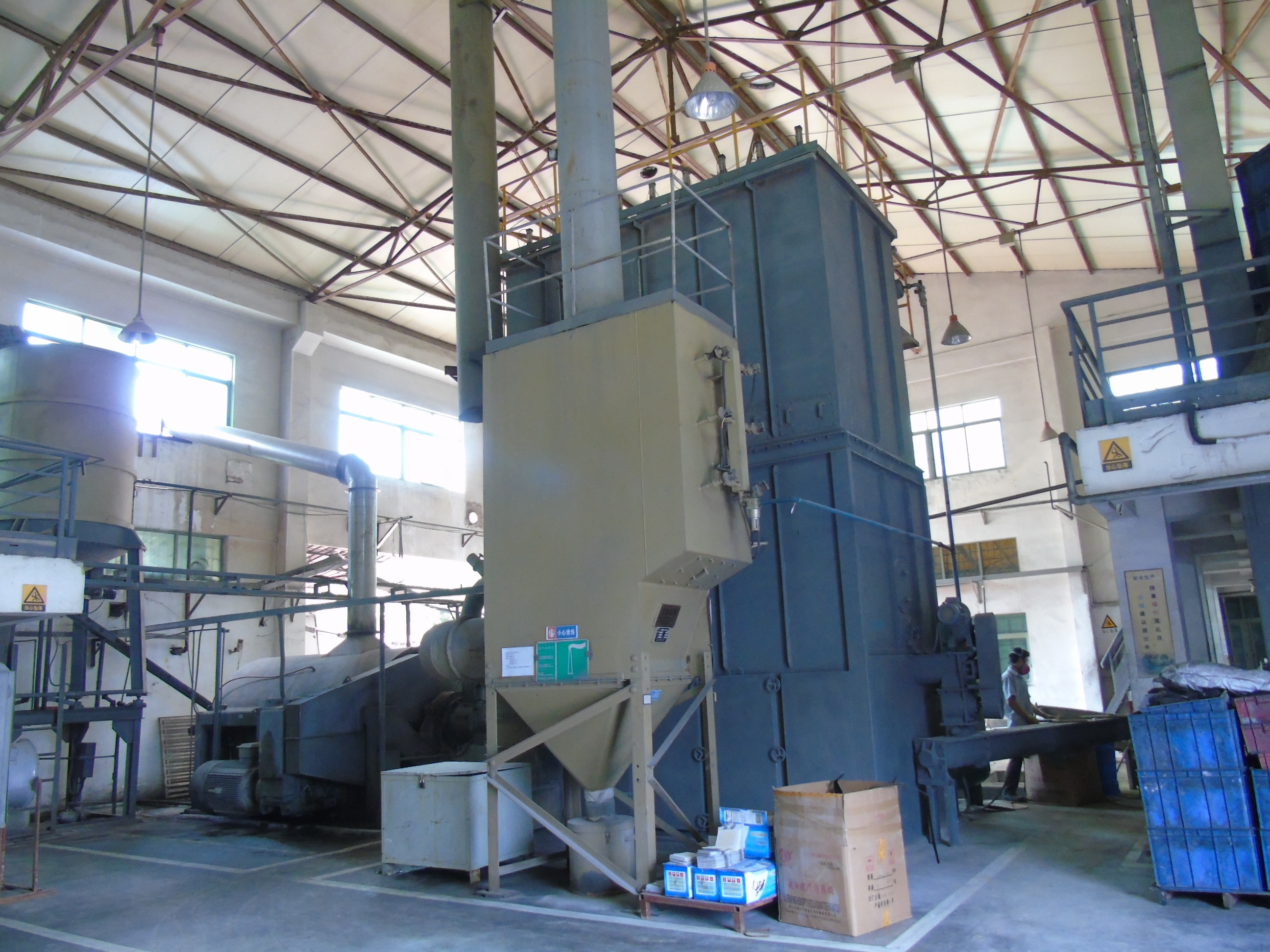
China produces approximately 70% of the world's lead-acid batteries, including AGM, gel, and OPzV VRLA types used in UPS systems, telecom networks, and solar installations. The concentration of raw materials (lead, sulfuric acid, polypropylene), manufacturing expertise, and vertically integrated supply chains means Chinese battery manufacturers can offer 30-50% lower prices compared to equivalent products from European or American factories.
But price is only part of the equation. The real question is: how do you identify a reliable manufacturer that delivers consistent quality, meets international certifications, and can handle OEM customization — among the thousands of battery companies registered in China?
This guide is written from the manufacturer's perspective. We know what separates the good factories from the bad ones because we compete with them every day.
Step 1: Define Your Technical Specifications
Before contacting any supplier, create a one-page specification sheet that covers:
Battery chemistry and type: - AGM (12V sealed lead-acid) — most common for UPS, security, and emergency lighting - Gel (12V or 2V) — for deep cycle, solar, and high-temperature applications - OPzV (2V tubular gel) — for utility, telecom, and long-life stationary applications - Front terminal AGM — for data center 19-inch rack mounting
Electrical parameters: - Nominal voltage (12V or 2V) - Rated capacity (Ah at 10-hour rate or 20-hour rate — specify which) - High-rate discharge performance (W per cell at specified end voltage and duration) - Float voltage and boost voltage requirements
Physical requirements: - Exact dimensions (length × width × height in mm) - Terminal type (F1, F2, bolt M5, bolt M6, bolt M8, copper insert) - Maximum weight - Color requirements (case and cover)
Standards and certifications needed: - UL 1989 (USA/Canada) - IEC 60896-21/22 (international VRLA standard) - CE marking (EU) - UN 38.3 (transport safety — mandatory for international shipping) - TLC certification (China domestic, if applicable)
Step 2: Identify and Pre-Screen Manufacturers
Where to Find Suppliers
Red Flags That Indicate a Trading Company (Not a Factory)
Many "manufacturers" on Alibaba and similar platforms are actually trading companies or brokers. Trading companies add 15-30% markup without adding value. Here is how to identify them:
- **Product range is too diverse:** A real battery factory makes 1-3 product categories. If a supplier offers lithium, lead-acid, solar inverters, and cable accessories, it is a trader. - **Factory photos look generic:** Stock photos, no branding visible on equipment, or photos clearly from different locations. - **No technical staff available:** Real factories have engineers who can discuss plate alloy composition, paste recipes, and curing temperatures. Traders can only discuss price and delivery. - **Business license shows "trade" or "import/export":** Check the Chinese business license — a real manufacturer's license will say "manufacturing" (制造 or 生产). - **Location mismatch:** China's battery manufacturing is concentrated in Zhejiang, Jiangsu, Guangdong, and Hebei provinces. A "manufacturer" registered in a non-industrial city with no factory address is likely a trader.
How to Verify a Real Factory
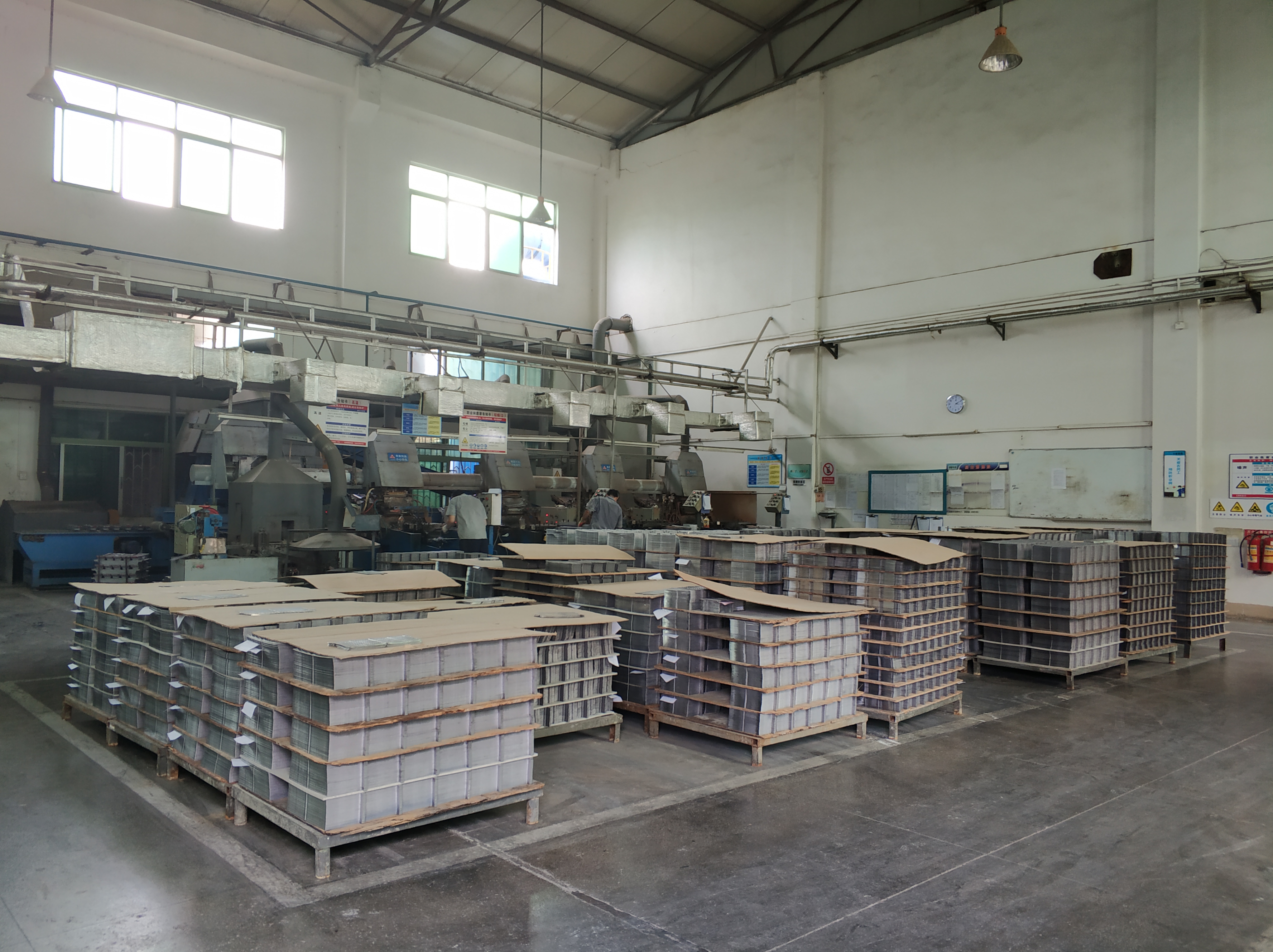
1. **Request a factory video call:** Ask for a live video tour showing the production line, plate casting, assembly area, and testing lab. A real factory will comply willingly. 2. **Check business registration:** Use China's National Enterprise Credit Information Publicity System (gsxt.gov.cn) to verify the company registration, paid-in capital, and registered business scope. 3. **Ask for specific technical details:** Request the lead alloy composition used for positive grids (e.g., Pb-Ca-Sn for AGM standby, Pb-Sb for deep cycle). A real factory knows this instantly. 4. **Third-party factory audit:** Companies like SGS, TUV, or Bureau Veritas offer factory audit services starting at approximately $800-1,500 per visit.
Step 3: Request Samples and Test Them
Never place a production order without testing samples first. Here is what to test and how:
Visual inspection: - Terminal alignment and flatness - Case finish quality (no bubbles, warping, or flash) - Label printing quality and accuracy - Vent valve alignment
Electrical testing: - Open circuit voltage (should be 12.80-13.00V for a fully charged 12V AGM) - 20-hour capacity test per IEC 60896-21 (rated capacity ± 3%) - Internal resistance measurement (compare against datasheet specification) - High-rate discharge test at your application's actual discharge rate
Accelerated life testing (optional but recommended for large orders): - Float endurance test at 40°C for 2-3 months (simulates several years of 25°C float service) - Cycle life test: 50-100 charge-discharge cycles at your target DOD
Step 4: Negotiate Terms and OEM Customization
Pricing Structure
Chinese battery manufacturers typically quote in one of two ways:
FOB price (most common): Includes manufacturing, packing, and delivery to the Chinese port. Buyer pays international freight, insurance, and destination duties.
CIF price: Includes manufacturing, packing, freight, and insurance to the destination port. Easier for first-time buyers but usually 10-15% higher than FOB equivalent.
Typical Price Ranges (FOB China, 2026)
*Naradex prices are in the mid-to-upper range reflecting premium plate alloys and ISO-certified manufacturing. Budget suppliers may quote 20-30% lower but often use thinner plates and lower-grade lead.*
OEM Customization Options
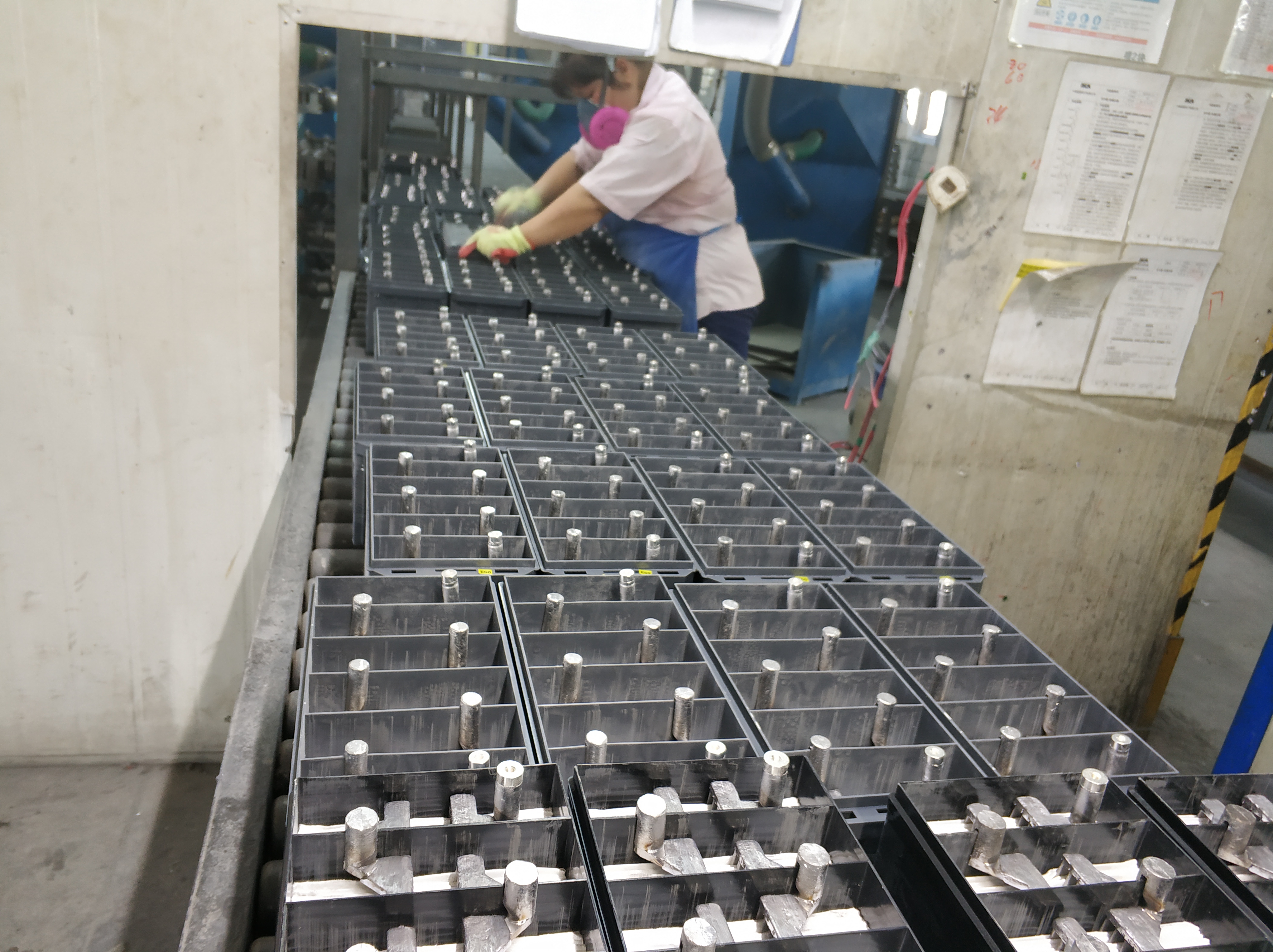
Most Chinese battery factories offer these customization levels:
Step 5: Manage Shipping and Logistics
Battery Shipping Regulations
Lead-acid batteries are classified as **Class 8 Dangerous Goods** under IMDG (sea) and IATA (air) regulations. Key requirements:
- **UN 2800** classification for VRLA (wet, not spillable) - **UN38.3 transport test report** — mandatory for all international shipments - **MSDS (Material Safety Data Sheet)** — required for customs clearance - **Proper packaging:** Batteries must be packed upright, secured against movement, with terminal protection caps - **Carrier restrictions:** Many shipping lines have specific rules for battery cargo — book early and confirm acceptance
Shipping Cost Factors
*FCL = Full Container Load (recommended for orders > 15 tons). LCL = Less than Container Load. Air freight is not recommended for lead-acid batteries due to weight and DG restrictions.*
A standard 20-foot container holds approximately 18-20 tons of 12V batteries (around 1,200-1,500 pieces of 12V 100Ah).
Step 6: Quality Control and Long-Term Relationship
Pre-Shipment Inspection (PSI)
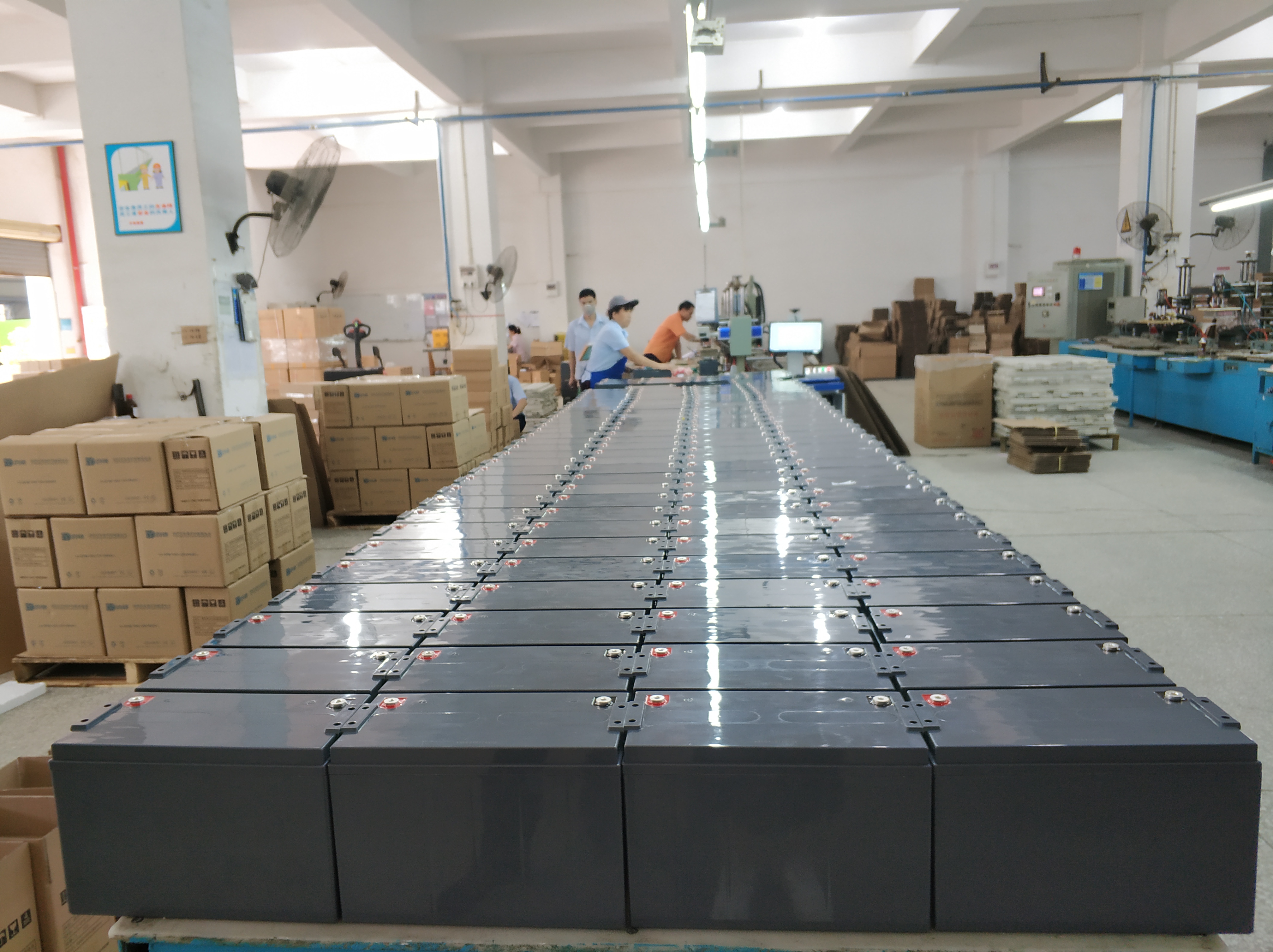
For orders above $10,000, we strongly recommend a third-party pre-shipment inspection. The inspector should verify:
- Quantity matches the order - Random sample electrical testing (OCV, internal resistance) - Visual quality check (case, terminals, labels) - Packaging integrity and DG labeling - Serial number tracking
Ongoing Quality Management
- **Establish incoming inspection standards** at your receiving warehouse (OCV, impedance) - **Track warranty claims by production batch** — this allows you to identify if a specific batch had quality issues - **Annual factory re-audit** if ordering more than $100,000 per year - **Maintain two qualified suppliers** to ensure supply continuity and competitive pricing
Common Mistakes to Avoid
1. **Choosing purely on price.** The cheapest quote often comes with thinner plates, recycled lead, or non-compliant certifications. A $5 savings per battery can cost $500 in warranty replacements.
2. **Skipping sample testing.** We have seen cases where production quality differs from the initial sample. Always test from a production run, not a specially prepared sample.
3. **Ignoring lead time.** Standard production lead time is 20-30 days. Holiday periods (Chinese New Year in January/February, National Day in October) can add 2-4 weeks.
4. **Not verifying certifications independently.** Request the actual UL, CE, or IEC certificate number and verify it on the issuing body's website. Fake certificates are common.
5. **Paying 100% upfront.** Standard payment terms are 30% deposit, 70% before shipment (T/T). If a supplier demands 100% upfront with no negotiation, proceed with caution.
Why Source from Naradex?
Naradex is a vertically integrated battery manufacturer based in Zhejiang, China, with 15+ years of experience in VRLA battery production. Our facility covers plate casting, paste mixing, curing, formation, assembly, and testing — all under one roof.
Certifications: ISO 9001:2015, ISO 14001, UL 1989, CE, IEC 60896-21/22, UN 38.3
Production capacity: 2 million batteries per year across AGM, gel, and OPzV product lines
OEM experience: We manufacture for 50+ brands across 60+ countries. Our minimum OEM order is 500 pcs for label customization.
Quality commitment: Every battery is individually tested for OCV and internal resistance before shipping. We maintain full traceability from raw lead to finished product.
Related Resources
- [Top 10 UPS Battery Manufacturers in China 2026](/blog/top-10-ups-battery-manufacturers-china-2026/) — Industry landscape overview - [How to Choose UPS Battery: Complete Buying Guide](/blog/how-to-choose-ups-battery-complete-guide/) — Technical selection guide - [Sealed Lead Acid Battery Complete Guide](/blog/sealed-lead-acid-battery-complete-guide/) — Technology fundamentals - [AGM vs Lead Acid Battery: What's the Difference?](/blog/agm-vs-lead-acid-battery-difference/) — Technology comparison - [12V AGM Battery Products](/products/12v-agm-battery/) — Full product catalog
Start Your Sourcing Journey
Contact our export team for product catalogs, pricing, samples, or a factory virtual tour. We respond within 24 hours and provide technical support in English, Spanish, Arabic, and Chinese.
[Request a Quote](/contact/)